Comprehensive Guide to Combination Topical and Injectable GHK-Cu Protocols for Skin Regeneration and Anti-Aging
A comprehensive guide to combining topical and injectable GHK-Cu protocols for skin regeneration and anti-aging. Covers how GHK-Cu supports skin repair via collagen synthesis, key anti-aging benefits (wrinkle reduction, elasticity, hydration), best practices for topical application (0.5 to 2% concentration, twice daily), injectable administration by trained clinicians, synergistic benefits of combining both approaches, clinical evidence supporting hybrid protocols, safety considerations and side effects, recommended dosages, and practical tips for maximizing results.
- GHK-Cu supports skin regeneration and anti-aging through cellular healing and collagen synthesis.
- Topical GHK-Cu (0.5 to 2% concentration) enhances surface hydration, texture, and ongoing collagen stimulation.
- Injectable GHK-Cu stimulates deeper collagen production for structural improvement that topicals can't reach alone.
- Combining topical + injectable protocols offers complementary, synergistic benefits, surface + depth treatment.
- Anti-aging benefits include wrinkle reduction, improved elasticity, and enhanced skin hydration.
- Topical best practices: clean skin, gentle upward application, twice-daily consistency.
- Injectable protocols require professional administration with proper screening and aftercare.
- Side effects are usually mild (transient redness/irritation); rare allergic reactions possible. Consult a clinician first.
GHK-Cu is a copper-binding tripeptide that supports cellular repair and skin rejuvenation. This guide summarizes how topical and injectable GHK-Cu work, the benefits of each approach, and how combining them can improve outcomes for reducing wrinkles and restoring elasticity. Below we cover mechanisms, practical application tips, safety considerations, and combined-protocol synergies.
What is the GHK-Cu Peptide and How Does It Support Skin Regeneration?
GHK-Cu is a naturally occurring copper peptide that promotes tissue repair by activating collagen production and other regenerative pathways. The copper ion aids enzyme activity that supports healing and matrix remodelling, which is why GHK-Cu is valued in anti-aging formulations.
What are the key benefits of GHK-Cu peptide for anti-aging treatment?
GHK-Cu supports collagen formation, improves firmness, and helps skin retain moisture. Those core effects explain its use in topical serums and injectable protocols.
- Reduction of Wrinkles: Promotes collagen to soften fine lines.
- Improvement in Skin Elasticity: Strengthens structural integrity for firmer skin.
- Enhanced Skin Hydration: Aids moisture retention for plumper skin.
Topical GHK-Cu for Anti-Wrinkle & Skin Regeneration
Peptides are promising anti-wrinkle actives; among them, glycyl-histidyl-lysine (GHK) is widely promoted for topical use. This short amino acid sequence can support tissue regeneration and boost synthesis of collagen and glycosaminoglycans, while also promoting nerve outgrowth and angiogenesis. As a result, GHK shows properties relevant to wound healing and wrinkle prevention or reduction.
Source: Topically applied GHK as an anti-wrinkle peptide: Advantages, problems and prospective, SM Mortazavi, 2024
How does GHK-Cu stimulate collagen synthesis and skin repair?
GHK-Cu binds to cellular targets and triggers signalling that increases collagen and elastin production and supports fibroblast migration. These actions lead to measurable increases in dermal collagen, improved texture, and fewer visible signs of aging when used appropriately.
| Treatment Method | Primary Benefit | Tissue Depth | Synergy Effect When Combined |
|---|---|---|---|
| Topical GHK-Cu | Enhances surface hydration, texture, and ongoing collagen stimulation | Epidermal / superficial dermal | Complements deeper tissue repair from injections; maintains daily benefits |
| Injectable GHK-Cu | Stimulates collagen production at deeper dermal level | Mid-to-deep dermal | Boosts structural improvement that topicals can't reach alone |
| Combined Protocol | Surface + depth treatment for comprehensive rejuvenation | Full-depth coverage | Faster, more visible results than single-method approach |
| Wrinkle Reduction | Collagen softens fine lines (topical) + structural firming (injectable) | Surface to mid-dermal | Multi-layer smoothing effect |
| Elasticity Improvement | Elastin + collagen support from both routes | Dermal layers | Enhanced firmness and resilience |
| Hydration Enhancement | Topical moisture retention + deeper tissue health | Epidermal focus | Plumper, healthier-looking skin overall |
Frequently Asked Questions
What is the ideal age to start using GHK-Cu treatments for anti-aging?
Start timing depends on goals; many begin preventive topical use in the late 20s to early 30s. Personal skin concerns and professional advice should guide the decision.
Can GHK-Cu be used in combination with other skincare ingredients?
Yes. GHK-Cu pairs well with hyaluronic acid, complementary peptides, and antioxidants. Avoid mixing with strong acids or aggressive actives without expert guidance to limit irritation.
How long does it take to see results from GHK-Cu treatments?
Texture and hydration improvements can appear within weeks. More noticeable reductions in wrinkles and gains in elasticity often take several weeks to a few months of consistent use.
Are there specific skin types that benefit more from GHK-Cu?
GHK-Cu can benefit dry, aging, and sensitive skin types by improving hydration and regenerative capacity. Patch testing or dermatologist consultation is recommended for personalised guidance.
What should I do if I experience irritation from GHK-Cu products?
If irritation occurs, stop use, rinse with cool water, and apply a gentle moisturizer. If symptoms persist or worsen, seek medical advice and consider restarting at lower concentration or frequency.
Can GHK-Cu treatments be used during pregnancy or breastfeeding?
Data are limited for pregnancy and breastfeeding. Exercise caution and consult a healthcare professional before starting any new treatments while pregnant or nursing.
How Are Topical and Injectable GHK-Cu Protocols Applied for Maximum Effectiveness?
Topical and injectable GHK-Cu address different tissue depths; using both can be tailored to individual concerns for broader improvement.
What are the best practices for topical GHK-Cu application?
- Preparation of Skin: Cleanse thoroughly to improve absorption.
- Application Techniques: Gentle, upward strokes to aid penetration.
- Frequency of Use: Consistent application (often twice daily) for best results.
How is injectable GHK-Cu therapy administered safely and effectively?
- Injection Techniques: Use appropriate methods to ensure accurate delivery and comfort.
- Safety Precautions: Review medical history and allergies before treatment.
- Post-Treatment Care: Provide clear aftercare to optimize recovery and outcomes.
Professional administration and clear guidance reduce risks and improve results.
What Are the Benefits and Synergies of Combining Topical and Injectable GHK-Cu?
Topicals improve surface hydration and texture while injections stimulate deeper collagen production; together they can produce broader and more noticeable rejuvenation than either alone. Clinical studies report positive outcomes for combined regimens, showing improved regeneration and reduced signs of aging.
| Category | Detail | Guidance |
|---|---|---|
| Topical, Concentration | 0.5 to 2% | Start at lower end; increase based on tolerance |
| Topical, Frequency | Twice daily (morning and evening) | Apply to clean skin; follow with moisturizer |
| Topical, Technique | Gentle, upward strokes | Aids penetration; avoid aggressive rubbing |
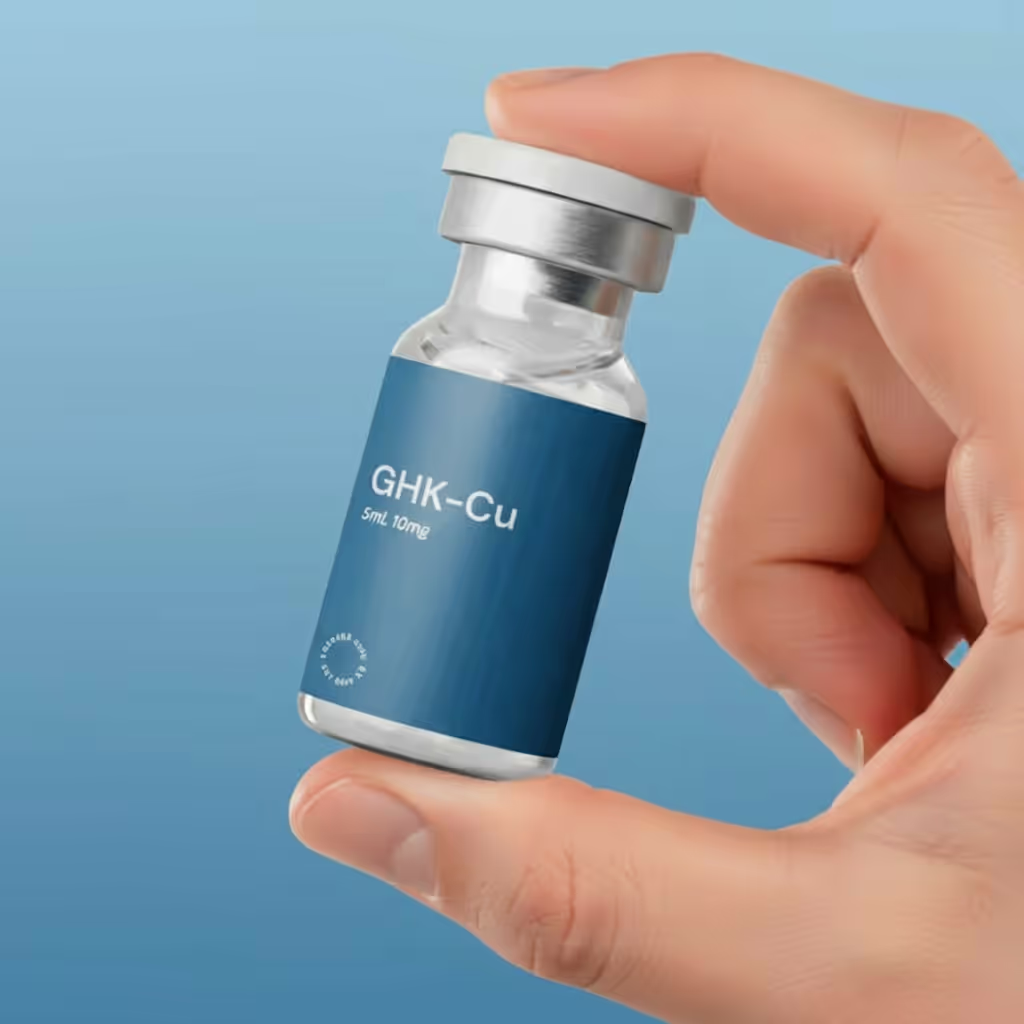
| Injectable, Dosage | Low milligram amounts per session; patient-adjusted | Follow professional dosing guidance; varies by treatment area |
| Injectable, Administration | Trained clinician only | Screen medical history and allergies; provide aftercare instructions |
| Safety, Mild Irritation | Temporary redness at application/injection sites | Usually transient; reduce frequency if persistent |
| Safety, Allergic Reactions | Rare; seek immediate care for severe symptoms | Patch test before topical; screen before injectable |
| Safety, Contraindications | Copper allergy; pregnancy/breastfeeding (limited data) | Consult healthcare professional before starting |
What Are the Recommended Dosages for Topical and Injectable GHK-Cu?
Topical formulations commonly use 0.5% to 2% concentrations. Injectable sessions are typically adjusted per patient and can range from low milligram amounts per session; follow professional dosing guidance for safety and efficacy.
What Safety Considerations Should Users Know About GHK-Cu Protocols?
GHK-Cu is generally well tolerated. Combined treatments may cause transient redness or swelling at injection sites. Those with copper allergies or sensitivities should avoid GHK-Cu.
- Mild Irritation: Temporary redness or irritation can occur at application sites.
- Allergic Reactions: Rare but possible; seek immediate care if severe symptoms appear.
- Consultation Recommendations: Consult a healthcare professional before starting, especially with pre-existing conditions.
Conclusion
Combining topical and injectable GHK-Cu protocols addresses skin regeneration at every level, surface hydration and texture from twice-daily topical use (0.5 to 2%), and deeper collagen stimulation from professional injectable sessions. This layered approach delivers synergistic anti-aging results that neither method achieves alone: reduced wrinkles, improved elasticity, and enhanced hydration. With a favorable safety profile and clinical evidence supporting hybrid protocols, GHK-Cu combination therapy is a practical, science-backed strategy for comprehensive skin rejuvenation. Consult a qualified clinician to design the right regimen for your skin.
Disclaimer: This information is for educational purposes only and does not constitute medical advice. GHK-Cu is a peptide supplement and may not be approved for all uses in all jurisdictions. Always consult a licensed healthcare provider before starting, stopping, or changing any treatment. Individual results vary.