Facial Rejuvenation Before & After with GHK-Cu Peptide: Benefits and Results Explained
A comprehensive guide to facial rejuvenation with GHK-Cu peptide, covering before and after results. Includes how GHK-Cu stimulates collagen production and skin regeneration, expected anti-aging effects (fine lines, tone, hydration), clinical case study results across treatment phases, application methods (topical and injectable), recommended treatment durations (8 to 12 weeks) and concentrations (0.5 to 2%), side effects and safety precautions, comparison to other anti-aging peptides, and post-procedure healing support.
- GHK-Cu stimulates collagen production to improve skin firmness and structure.
- Reduces fine lines and wrinkles with regular use over 4 to 12 weeks.
- Improves skin texture, tone and hydration through matrix remodelling and repair pathways.
- Clinical studies report improved elasticity and collagen density, one trial showed collagen improvement in 70% of participants after 12 weeks.
- Effective in both topical formulations (0.5 to 2% concentration) and injectable delivery.
- GHK-Cu levels decline naturally from ~200 ng/ml at age 20 to ~80 ng/ml by age 60, supporting supplementation rationale.
- Generally well tolerated with proper dosing; mild transient irritation is the most common side effect.
- Offers broader regenerative actions (collagen + inflammation + repair) compared with many single-target anti-aging peptides.
Facial rejuvenation addresses visible ageing, texture loss, laxity and fine lines. GHK-Cu is a copper peptide with documented skin-repair activity that supports collagen production, improved tone and hydration. This article summarizes how it works, typical outcomes and safety considerations.
Scientific literature further details GHK-Cu's roles in tissue repair and anti-inflammatory regulation.
GHK-Cu: Multifunctional Peptide for Skin Repair & Remodeling
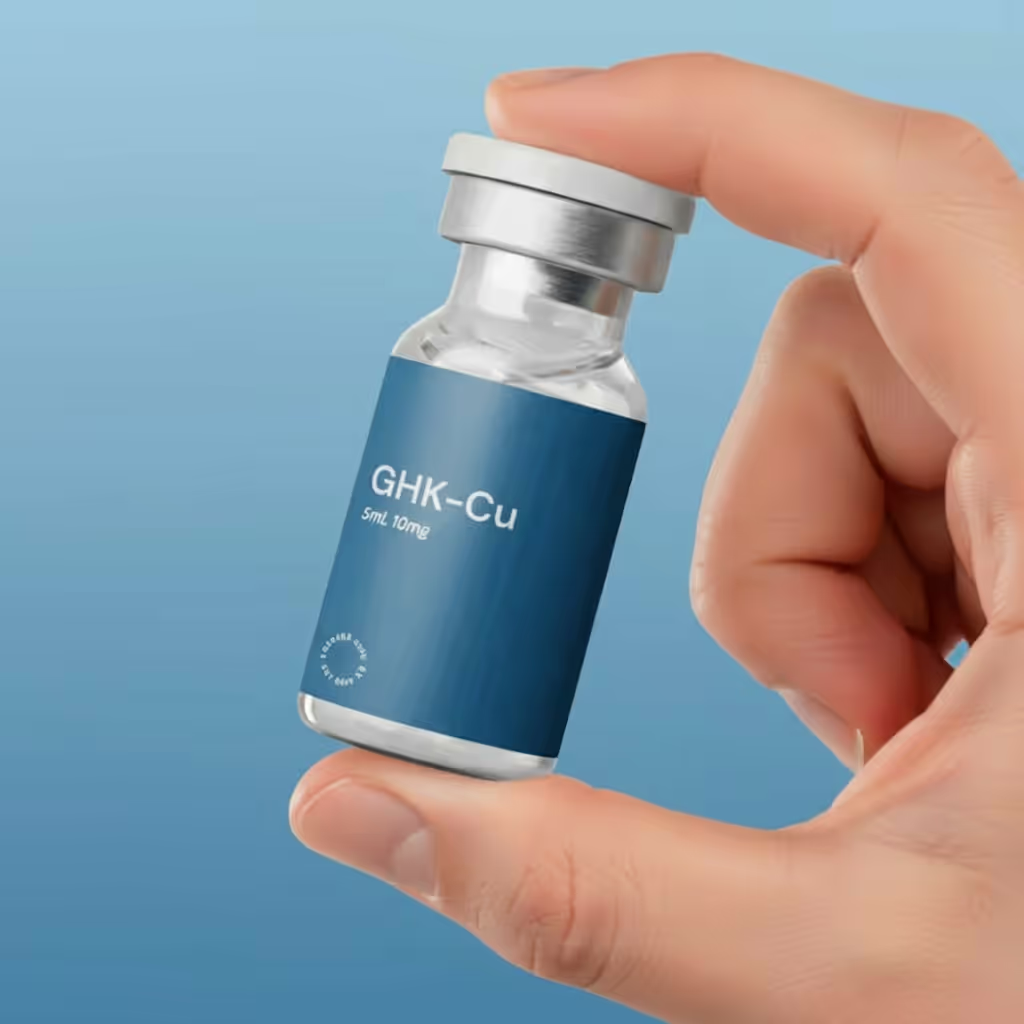
Glycyl-L-histidyl-L-lysine-copper (GHK-Cu) is an endogenous tripeptide-metal complex with multiple roles: tissue repair, anti-inflammatory regulation, extracellular matrix remodelling and redox balance. Recent work frames GHK-Cu as a model linking coordination chemistry, peptide bioactivity and scalable production. The review synthesises molecular mechanisms, manufacturing approaches, quality controls and emerging delivery applications.
Source: GHK-Cu as a multifunctional copper peptide: synthesis routes, process engineering and emerging applications, 2026
What Are the Key Benefits of GHK-Cu Peptide for Facial Rejuvenation?
GHK-Cu supports collagen and matrix remodelling, helping skin look firmer and smoother. Key benefits include:
- Stimulates Collagen Production: Encourages collagen synthesis to strengthen skin structure.
- Reduces Signs of Aging: Helps soften fine lines and surface wrinkles.
- Enhances Skin Texture: Improves smoothness and evens tone for a healthier appearance.
How Does GHK-Cu Stimulate Collagen Production and Skin Regeneration?
GHK-Cu binds to cell receptors and modulates gene expression linked to matrix synthesis and repair. This cascade increases collagen production, reduces inflammation and supports tissue healing, which together preserve elasticity and texture.
Clinical studies directly show GHK-Cu increases collagen synthesis and improves treated skin.
GHK-Cu: Mechanism of Action & Collagen Production
Analysis of GHK's mechanism indicates measurable effects on gene expression and repair pathways. In one study, applying GHK-Cu to thigh skin for 12 weeks improved collagen production in 70% of participants.
Source: Regenerative and protective actions of the GHK-Cu peptide in the light of the new gene data, L Pickart, 2018
What Anti-Aging Effects Can You Expect from GHK-Cu Therapy?
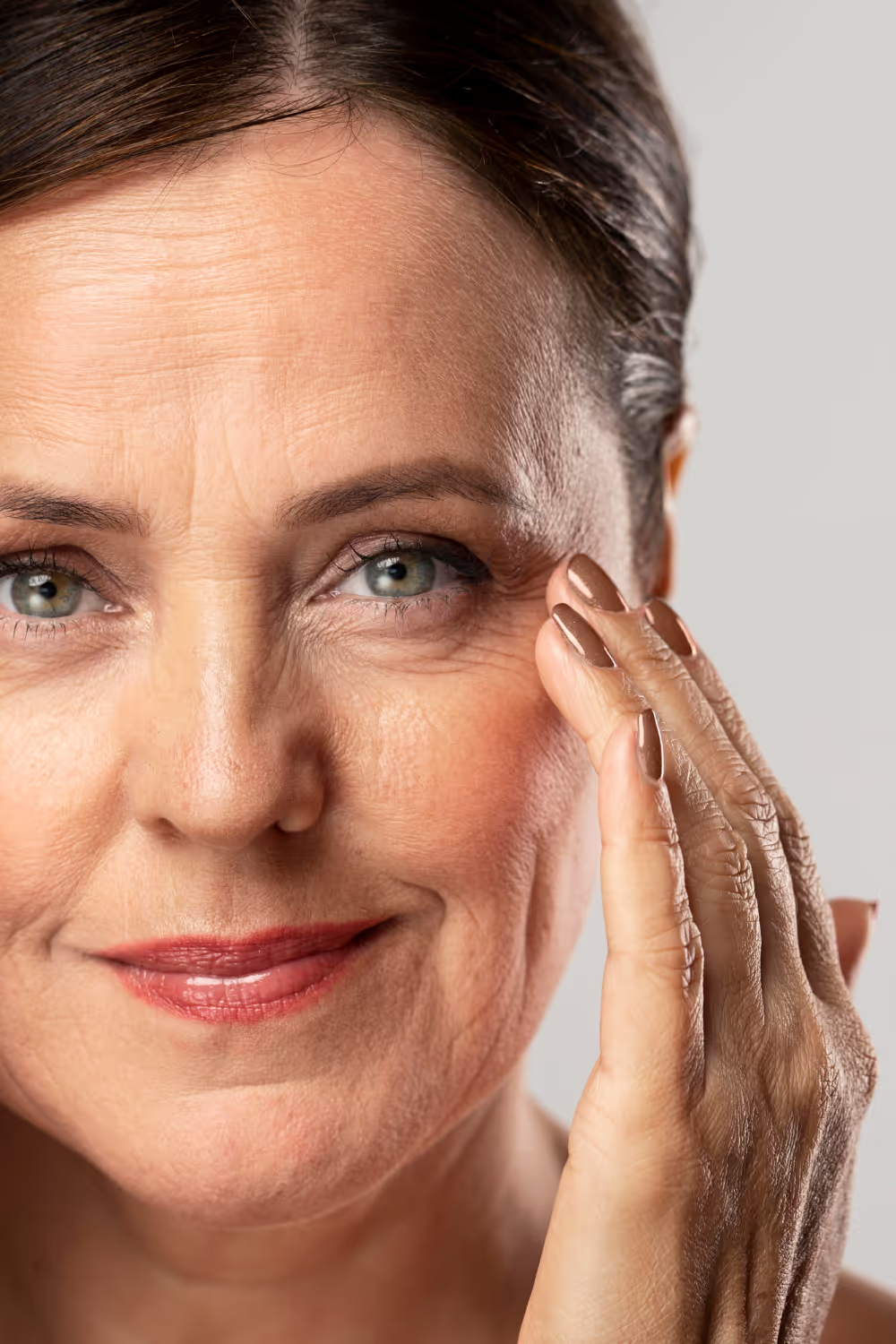
Typical visible effects are smoother lines, more even tone and improved hydration, often noticeable within weeks to a few months of regular use.
- Reduction of Fine Lines: Smoothes superficial lines for a fresher look.
- Improvement in Skin Tone: Helps even pigmentation and reduce age spots.
- Increased Hydration: Enhances moisture retention for plumper skin.
GHK-Cu: Anti-Aging Peptide for Skin Remodeling & Regeneration
GHK (glycyl-L-histidyl-L-lysine) occurs naturally in serum, averaging about 200 ng/ml at age 20 and falling to roughly 80 ng/ml by age 60. The peptide binds copper to form GHK-Cu and shows anti-inflammatory and tissue-remodelling properties. Studies report GHK-Cu supports skin remodelling, wound healing and regeneration, with antioxidant and anti-inflammatory effects in vitro and in vivo.
Source: The potential of GHK as an anti-aging peptide, 2020
| Treatment Phase | Timeline | Observed Changes | Patient Feedback |
|---|---|---|---|
| Initial Phase | Weeks 1 to 4 | Minor improvements in texture and hydration | "Noticed slight changes in smoothness" |
| Mid-Treatment | Weeks 4 to 8 | Visible reduction in fine lines; improved tone | "Friends commented on my glowing skin" |
| Post-Treatment | Weeks 8 to 12 | Enhanced elasticity and hydration; firmer skin | "I feel more confident in my skin" |
| Clinical Study (Pickart 2018) | 12 weeks | Collagen production improved in 70% of participants | Measurable collagen density increase in treated skin |
| Sustained Use | 12+ weeks | Maintained elasticity, continued hydration, reduced age spots | High satisfaction; sustained visible improvements |
What Do Facial Peptide Treatment Results Show?
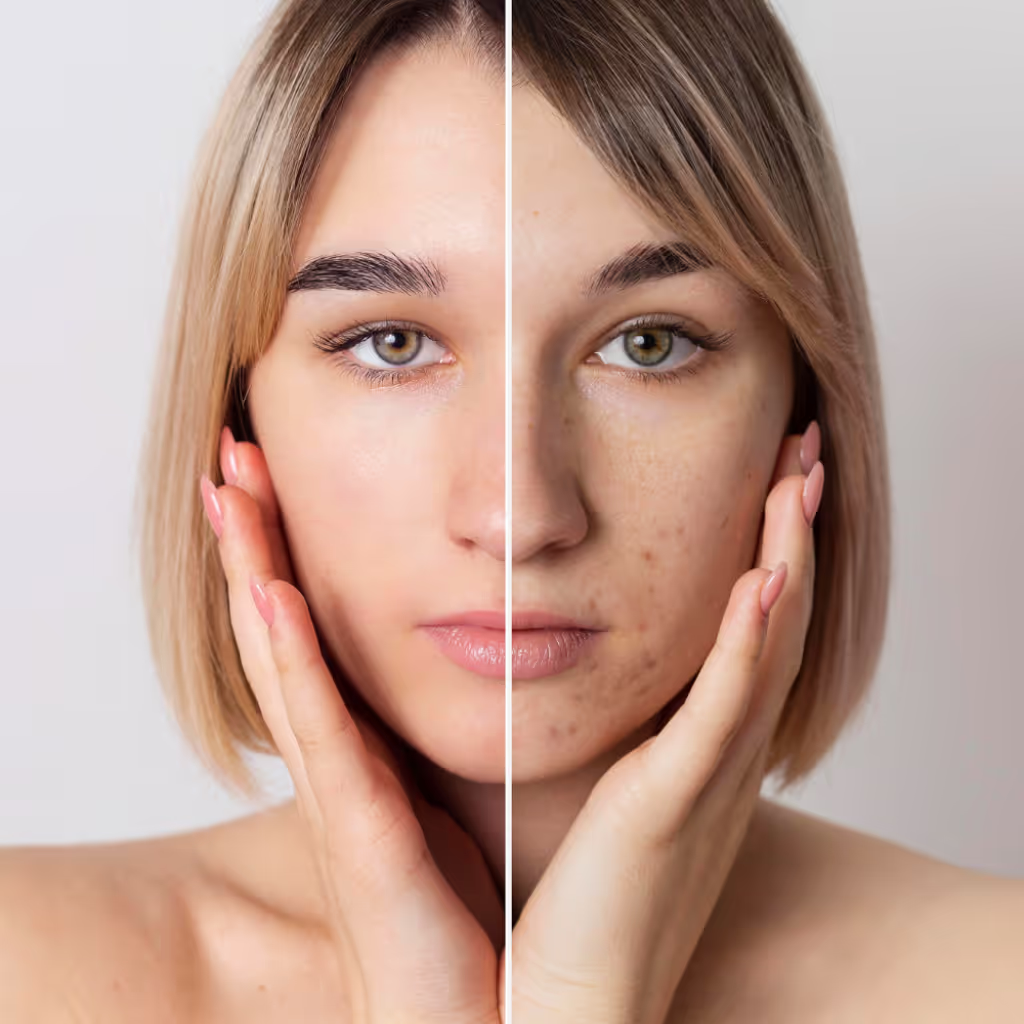
Clinical data and patient reports document consistent gains in texture, elasticity and hydration after regular GHK-Cu use. Before-and-after comparisons typically show a fresher, more youthful appearance.
Multiple trials and case series report increased collagen density, thicker dermal structure and high patient satisfaction for treated areas.
Frequently Asked Questions
What is the ideal age to start using GHK-Cu for facial rejuvenation?
There's no single ideal age; many begin in their late 20s to 30s when early ageing appears. Personal goals and skin condition should guide timing.
Can GHK-Cu be combined with other skincare ingredients?
Yes, GHK-Cu pairs well with hyaluronic acid, vitamin C and retinoids. Introduce combinations slowly and monitor for irritation.
How long does it take to see results from GHK-Cu treatments?
Visible changes often start within 4 to 12 weeks; texture and hydration may improve earlier, with wrinkles and elasticity improving over continued use.
What should I do if I experience side effects from GHK-Cu?
Stop use if you have redness or irritation and consult a healthcare professional. Persistent or severe reactions require medical assessment.
How does GHK-Cu support skin healing after procedures?
By promoting collagen synthesis and reducing inflammation, GHK-Cu can support recovery after peels, microneedling or lasers and improve outcomes.
Are there any contraindications for using GHK-Cu?
Avoid GHK-Cu if you have known copper-peptide allergies or active skin infections. Seek medical advice if pregnant, breastfeeding or on complex medical treatments.
How Is GHK-Cu Peptide Applied Safely for Facial Rejuvenation?
Application depends on delivery: topical creams/serums or professional injections. Technique and formulation affect absorption and results.
- Application Techniques: Even distribution and correct layering aid penetration.
- Dosage Recommendations: Follow product or clinician guidance to minimise reactions.
- Safety Precautions: Consult a qualified professional before beginning treatment.
What Are the Recommended Treatment Durations and Concentrations?
Typical topical protocols run several weeks; measurable results commonly appear by 8 to 12 weeks.
- Treatment Duration: 8 to 12 weeks is a common course for visible change.
- Concentration Levels: Topical concentrations frequently range from 0.5% to 2%.
| Category | Detail | Guidance |
|---|---|---|
| Topical Application | Creams, serums; 0.5 to 2% concentration | Apply twice daily; layer before moisturiser and sunscreen |
| Injectable Delivery | Professional administration for deeper penetration | Consult qualified clinician; follow dosage protocol |
| Treatment Duration | 8 to 12 weeks for visible change | Consistent use required; results build progressively |
| Side Effects | Mild redness or irritation (transient) | Discontinue if persistent; rare allergic reactions require medical attention |
| Contraindications | Copper-peptide allergy; active skin infections | Patch test first; consult dermatologist for specific conditions |
| Pairs Well With | Hyaluronic acid, vitamin C, retinoids | Introduce new combinations gradually; monitor for irritation |
| vs Single-Target Peptides | GHK-Cu offers collagen + inflammation + repair in one | Broader regenerative profile; faster multi-faceted results |
| Post-Procedure Support | Supports recovery after peels, microneedling, lasers | Promotes collagen synthesis and reduces inflammation during healing |
Are There Any Side Effects or Safety Precautions to Consider?
GHK-Cu is generally well tolerated; some users may experience mild, transient irritation.
- Skin Irritation: Redness or irritation can occur at application sites.
- Allergic Reactions: Rare; discontinue use and consult a professional if suspected.
If adverse effects persist, seek medical advice promptly.
How Does GHK-Cu Compare to Other Anti-Aging Peptides?
GHK-Cu is notable for stronger collagen stimulation and broader regenerative effects compared with many single-action peptides. It combines collagen induction, inflammation reduction and tissue repair support in a single peptide, backed by mechanistic and clinical data. Outcomes with GHK-Cu often appear sooner and address texture, hydration and elasticity together, whereas many peptides target a narrower effect.
Conclusion
GHK-Cu offers a research-supported approach to facial rejuvenation by stimulating collagen and improving elasticity, texture and hydration. Clinical data (including a study showing collagen improvement in 70% of participants after 12 weeks) validates its multi-pathway mechanism. With proper application at 0.5 to 2% concentration over 8 to 12 weeks, and professional guidance for injectable use, GHK-Cu can be a valuable component of a tailored anti-ageing regimen. Its combination of collagen induction, inflammation control and tissue repair gives it an edge over single-target peptides for comprehensive facial rejuvenation.
Disclaimer: This information is for educational purposes only and does not constitute medical advice. GHK-Cu is a peptide supplement and may not be approved for all uses in all jurisdictions. Always consult a licensed healthcare provider before starting, stopping, or changing any treatment. Individual results vary.