Injectable GHK-Cu Therapy: Protocols, Benefits, and Aftercare Guidance
A guide to injectable GHK-Cu therapy covering protocols, benefits, and aftercare. Includes how GHK-Cu stimulates collagen and promotes skin rejuvenation, expected therapy results, treatment protocol structure (consultation, injection frequency, follow-ups), dosage guidelines, step-by-step injection procedures, post-injection care practices, common side effects and management, and combining GHK-Cu with other treatments.
- Injectable GHK-Cu therapy stimulates collagen production, enhancing skin elasticity and firmness.
- GHK-Cu reduces inflammation and can even skin tone.
- The peptide accelerates skin healing, useful for post-surgical recovery.
- GHK-Cu promotes angiogenesis, improving nutrient and oxygen delivery to skin cells.
- Patients commonly report smoother texture and reduced fine lines after treatment.
- Protocols typically include an initial consultation, weekly injections, and scheduled follow-ups.
- Post-injection care: limit sun exposure and maintain good moisturization.
- Common side effects are mild (redness, swelling) and usually resolve with standard care.
Injectable GHK-Cu therapy uses the copper-binding tripeptide GHK-Cu to stimulate collagen, reduce inflammation, and speed healing for skin rejuvenation. This article summarizes the therapy's primary benefits, underlying mechanisms, standard protocols, and practical aftercare to help patients make informed choices.
Further research explores molecular mechanisms and therapeutic potential of GHK-Cu in skin regeneration.
What Are the Key Benefits of GHK-Cu Peptide Therapy?
GHK-Cu peptide therapy supports skin rejuvenation and general skin health through several mechanisms.
- Stimulates Collagen Production: GHK-Cu enhances collagen synthesis, helping skin stay firm and elastic.
- Reduces Inflammation: Anti-inflammatory effects calm irritation and help even tone.
- Enhances Skin Healing: The peptide accelerates repair of wounds and damaged tissue, aiding recovery.
Information Hub offers related GHK-Cu products that complement professional treatments.
How Does GHK-Cu Peptide Promote Skin Rejuvenation?
GHK-Cu acts at the cellular level: it increases fibroblast activity, boosting collagen and elastin production, and promotes angiogenesis so skin cells receive better oxygen and nutrients. Together these effects support the extracellular matrix and overall skin structure.
What Are the Expected Therapy Results from GHK-Cu Injections?
Typical patient outcomes include:
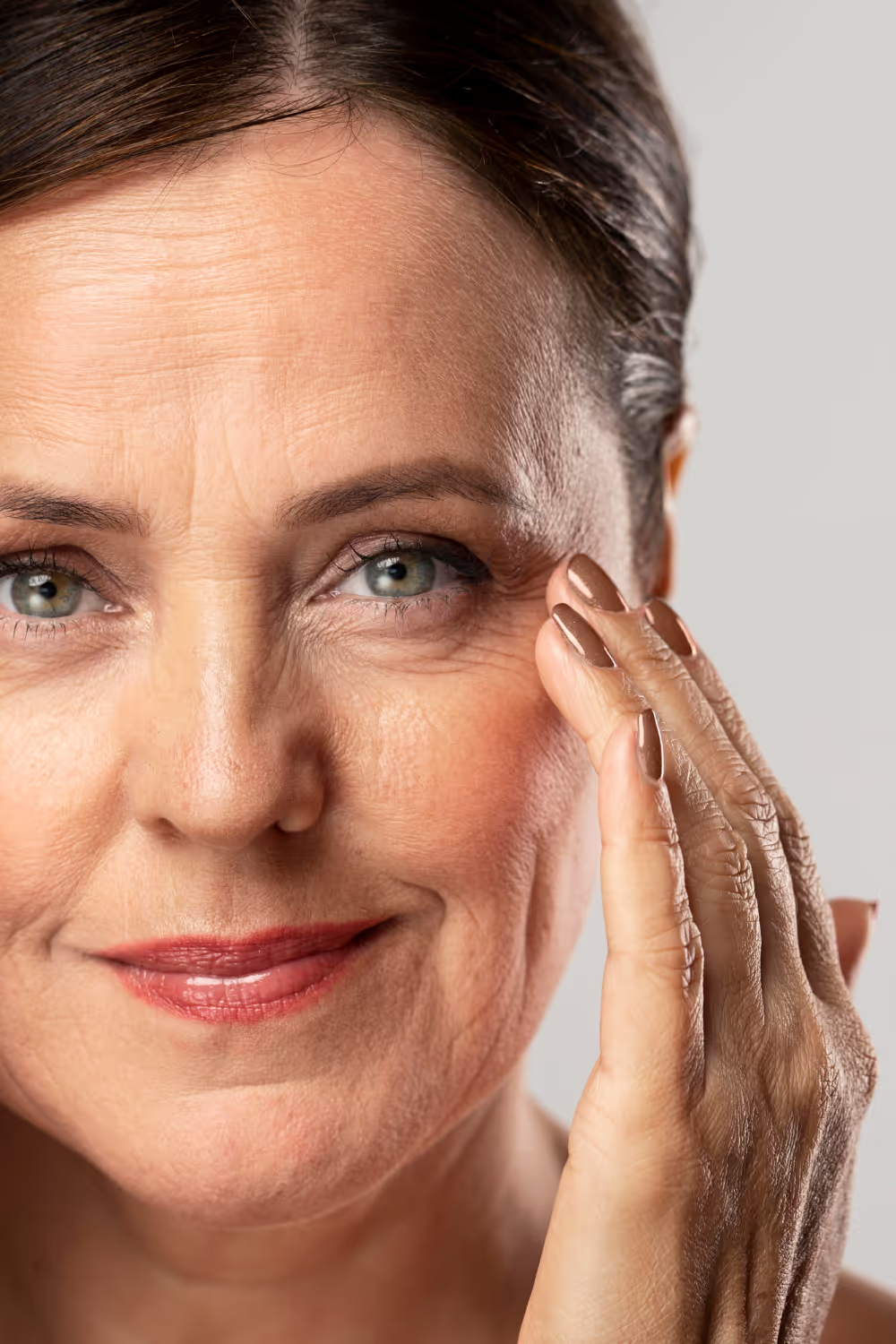
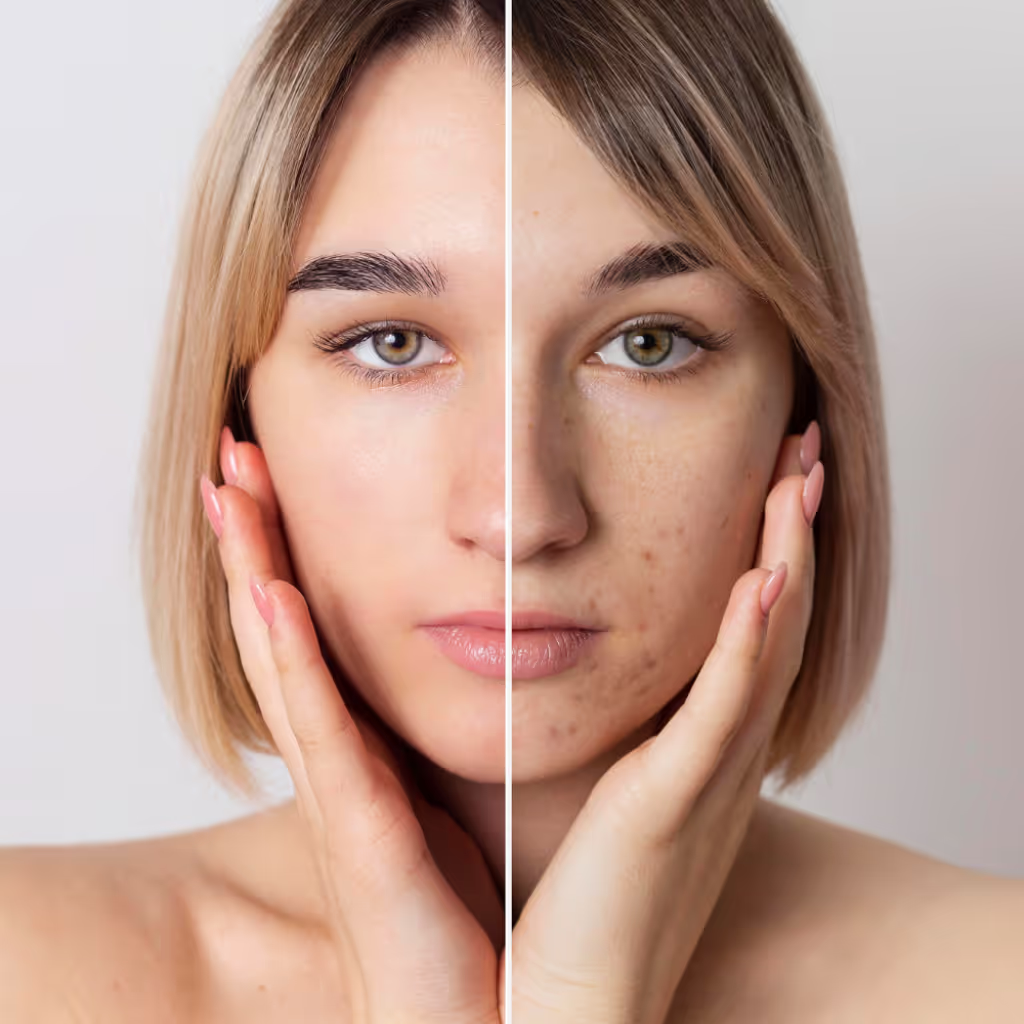
- Improved Skin Texture: Smoother, more refined surface after treatment.
- Reduction in Fine Lines: Collagen stimulation reduces the look of fine lines and wrinkles.
- Enhanced Skin Elasticity: Increased collagen and elastin improves elasticity and a firmer appearance.
Individual results depend on skin type and the treatment plan selected.
| Phase | What Happens | Details | Timeline |
|---|---|---|---|
| Initial Consultation | Skin assessment and medical history review | Screen for allergies (copper, peptides), active infections, autoimmune conditions; set treatment goals | Before first injection |
| Treatment Planning | Determine dosage, frequency, and target areas | Standard: 2 to 5 mg per injection subcutaneously; adjusted based on patient response and goals | At consultation |
| Injection Sessions | Subcutaneous injection at target site | Antiseptic prep; sterile technique; inject into treatment area; post-injection observation | Weekly for initial course (typically 4 to 8 weeks) |
| Immediate Aftercare | Post-injection monitoring and instructions | Observe for reactions; provide written aftercare (sun avoidance, gentle skincare, hydration) | Same day as injection |
| Follow-Up Assessment | Evaluate progress and adjust protocol | Assess skin texture, elasticity, patient satisfaction; modify dose or frequency as needed | Every 2 to 4 weeks during treatment |
| Maintenance Phase | Ongoing treatments at reduced frequency | Monthly or as-needed injections to sustain results; combine with topical GHK-Cu between sessions | After initial course; ongoing |
Frequently Asked Questions
What is GHK-Cu and how does it work in skin therapy?
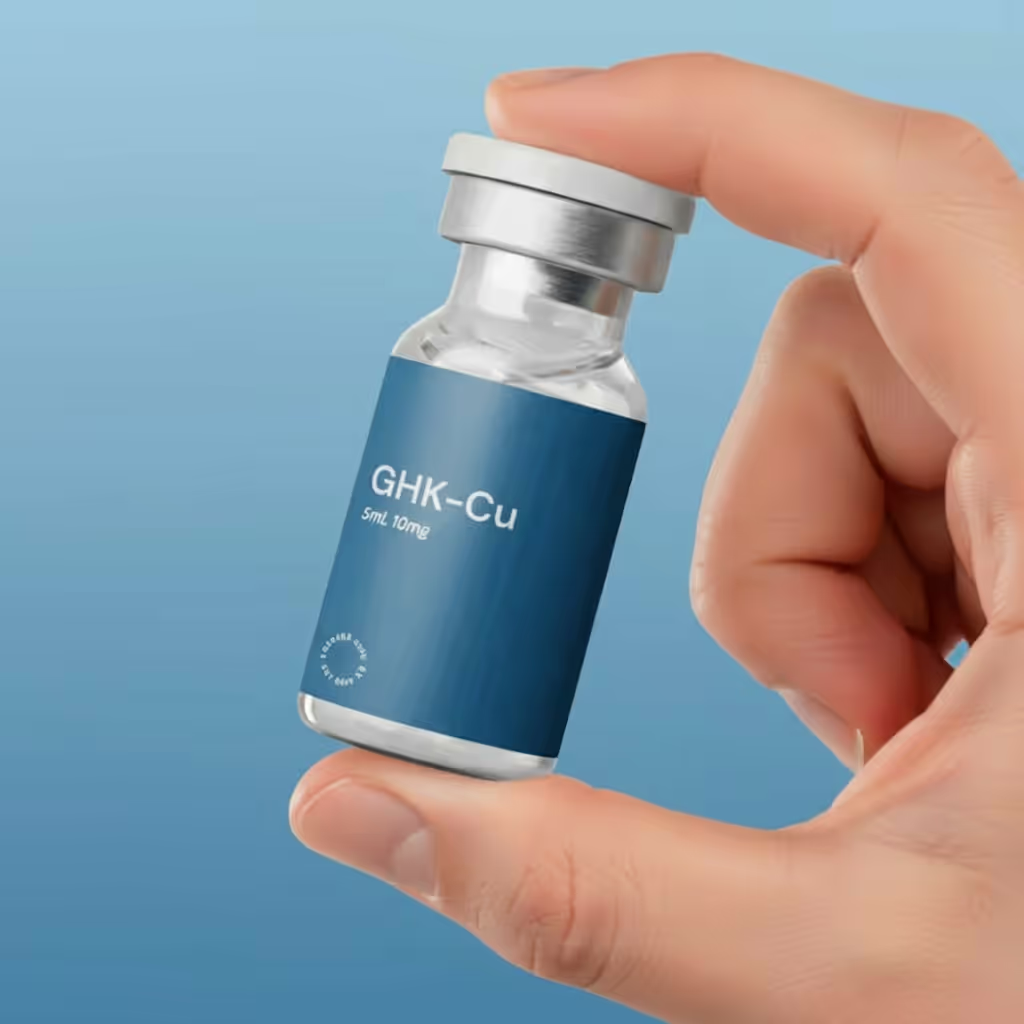
GHK-Cu is a naturally occurring tripeptide that binds copper. It stimulates fibroblasts to increase collagen and elastin, supports wound healing, reduces inflammation, and promotes angiogenesis to improve skin regeneration.
Who is a suitable candidate for GHK-Cu therapy?
Suitable candidates seek improvements in aging signs, texture, or post-surgical recovery. A consultation should screen for allergies, skin conditions, or other contraindications.
How long does it take to see results from GHK-Cu injections?
Many patients notice texture and elasticity improvements within a few weeks; more pronounced changes in lines and firmness often appear after several consistent treatments.
Are there any contraindications for GHK-Cu therapy?
Avoid GHK-Cu if you have known copper or peptide allergies. Active skin infections, severe dermatologic conditions, or certain autoimmune disorders may also preclude treatment, consult your provider.
What should patients avoid after receiving GHK-Cu injections?
Avoid sun exposure, harsh skincare products (exfoliants, retinoids), and strenuous activities that cause heavy sweating or friction at the injection site for a few days.
Can GHK-Cu therapy be combined with other skincare treatments?
Yes. GHK-Cu is often combined with microneedling or laser therapy to enhance results; coordinate combinations with your clinician to ensure timing and safety.
How Is the Injectable GHK-Cu Therapy Protocol Structured?
Protocols balance efficacy and safety through assessment, dosing, and monitoring.
- Initial Consultation Requirements: Review skin condition and medical history before starting.
- Injection Frequency: Often administered weekly for several weeks, tailored to goals.
- Follow-Up Assessments: Monitor progress and adjust the plan as needed.
What Are the Recommended Dosage Guidelines for GHK-Cu Peptide?
Use established dosage guidance to optimize outcomes while minimizing risk.
These ranges serve as a baseline; clinicians adjust doses based on response and tolerance.
What Are the Step-by-Step Injection Procedures for Safe Application?
Safe administration requires standard sterile technique and patient monitoring.
- Preparation of the Injection Site: Clean with antiseptic to reduce infection risk.
- Technique for Injection: Use sterile equipment; injections are typically subcutaneous in the target area.
- Post-Injection Monitoring: Observe for immediate reactions and give clear aftercare instructions.
What Are the Essential Post Injection Care Practices?
Aftercare helps protect results and reduce complications.
- Avoiding Sun Exposure: Limit UV exposure while the skin recovers.
- Moisturizing the Skin: Keep skin hydrated to support healing.
- Monitoring for Side Effects: Report prolonged redness, swelling, or other concerns to your provider.
How Should Patients Care for Their Skin After GHK-Cu Injections?
Maintain hydration, use gentle hydrating products, and avoid harsh procedures or irritating ingredients (exfoliants, retinoids) for a few days to support recovery.
What Are the Common Side Effects and How Can They Be Managed?
GHK-Cu therapy is usually well tolerated; common effects are mild and transient.
- Possible Allergic Reactions: Rare; managed according to clinical guidance (antihistamines if needed).
- Injection Site Reactions: Redness or swelling typically resolves without intervention.
- Management of Side Effects: Follow provider advice and report persistent or severe symptoms.
Clear protocols and proper aftercare improve safety and outcomes.
| Category | Details | Action / Guidance |
|---|---|---|
| Standard Dose | 2 to 5 mg per injection (subcutaneous) | Clinician adjusts based on treatment area, patient response, and goals |
| Injection Frequency | Weekly during initial course | Typically 4 to 8 weeks; transition to monthly maintenance after initial phase |
| Common Side Effect | Injection site redness or swelling | Usually resolves within 24 to 48 hours; apply cold compress if needed |
| Common Side Effect | Mild tenderness at injection site | Normal; avoid touching or pressing the area; resolves on its own |
| Rare Side Effect | Allergic reaction (itching, hives, swelling) | Discontinue immediately; antihistamine if mild; seek medical attention if severe |
| Aftercare, Sun | Limit UV exposure for 48 to 72 hours post-injection | Use SPF 30+ if outdoors; avoid tanning beds; protect treated area from direct sun |
| Aftercare, Skincare | Use gentle, hydrating products only | Avoid retinoids, exfoliants, AHAs/BHAs for 3 to 5 days; moisturise regularly |
| Aftercare, Activity | Avoid strenuous exercise for 24 hours | Heavy sweating and friction can irritate injection site; light activity is fine |
| Contraindications | Copper/peptide allergy; active skin infection; severe dermatologic or autoimmune conditions | Screen at consultation; do not proceed if contraindicated; refer to specialist if needed |
| Combination Treatments | Microneedling, laser therapy, topical GHK-Cu | Coordinate timing with clinician; space procedures appropriately for best results |
Conclusion
Injectable GHK-Cu therapy can improve collagen production, reduce inflammation, and accelerate healing for healthier-looking skin. Adhering to tested protocols and sensible aftercare helps patients maximize benefits while minimizing risks. Consult a qualified provider to determine if GHK-Cu fits your treatment goals.
Disclaimer: This information is for educational purposes only and does not constitute medical advice. GHK-Cu injectable therapy requires medical supervision and prescription. Always consult a licensed healthcare provider before starting any peptide therapy. Individual results vary.