GHK-Cu Peptide for Stretch Marks and Scar Remodeling: Effective Skin Repair Solutions
A guide to GHK-Cu peptide for stretch marks and scar remodeling. Covers the copper tripeptide's structure and collagen-stimulating mechanism, clinical evidence showing reduced stretch mark visibility and improved elasticity, how GHK-Cu reorganizes scar tissue toward normal structure, mechanisms behind stretch mark treatment, before-and-after case study outcomes, safety profile and side effects, and recommended usage guidelines for optimal skin repair.
- GHK-Cu (copper tripeptide) promotes skin repair and wound healing.
- It stimulates collagen and elastin, improving firmness and elasticity.
- Antioxidant and anti‑inflammatory actions protect and calm skin.
- Clinical studies report improved texture and reduced stretch‑mark visibility.
- Generally well tolerated topically; patch testing is advised for sensitive skin.
- Consistent application is required to see meaningful results.
GHK-Cu is a naturally occurring copper tripeptide that supports skin repair and rejuvenation. It promotes collagen and elastin synthesis, improves elasticity, and provides antioxidant protection. This article summarizes the peptide's structure, mechanisms, clinical evidence for stretch-mark and scar improvement, and practical use guidance.
What is GHK-Cu Peptide and How Does It Promote Skin Repair?
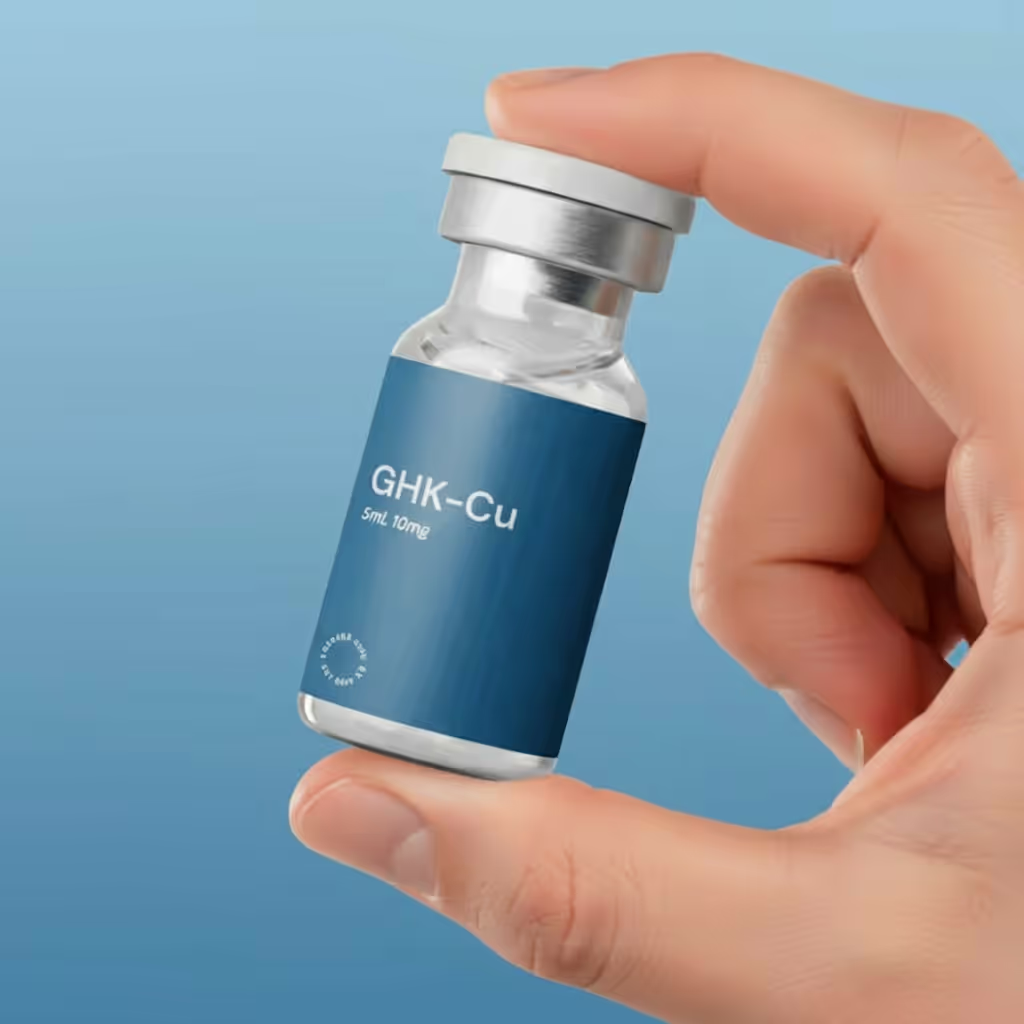
GHK-Cu is a tripeptide (glycine, histidine, lysine) bound to copper ions. The peptide-copper complex interacts with skin cells to support tissue regeneration by upregulating collagen and extracellular matrix production and reducing oxidative and inflammatory damage, key processes in scar remodeling and stretch-mark repair.
Research details GHK-Cu's wide-ranging benefits in skin repair and regeneration.
Understanding the Copper Tripeptide Structure and Function
The copper ion in GHK-Cu supports enzymatic steps involved in forming collagen and elastin. By helping stabilise newly formed fibres and influencing extracellular-matrix organization, the peptide improves structural integrity and skin texture, both important for reducing the visibility of scars and stretch marks.
How GHK-Cu Stimulates Collagen Production and Wound Healing
GHK-Cu targets fibroblasts and matrix-remodeling pathways to increase collagen synthesis and accelerate repair. This leads to firmer, more elastic skin and supports reorganization of scar tissue toward a more normal structure, reducing prominence over time.
Further studies support GHK-Cu's strong effects on skin healing and restoring youthful characteristics.
"GHK-Cu for Wound Healing & Skin Elasticity
GHK-Cu stimulates wound healing in numerous models and in humans. Controlled studies on aged skin demonstrated that it tightens skin, improves elasticity and skin clarity, and reduces wrinkles and photodamage."
Source: The human tri-peptide GHK and tissue remodeling, L Pickart, 2008
How Effective is GHK-Cu Peptide for Treating Stretch Marks?
Clinical studies and user reports indicate GHK-Cu can reduce stretch-mark visibility and improve texture by restoring collagen and elastin. Regular application tends to yield better results; GHK-Cu is often included in topical regimens aimed at remodeling atrophic and early striae.
These results align with broader research on GHK-Cu's role in skin regeneration and aesthetic improvement.
Information Hub offers a range of GHK-Cu products designed to support skin repair and rejuvenation. These formulations are intended for consistent use to achieve measurable improvements.
Mechanisms Behind Stretch Mark Peptide Treatment
GHK-Cu reduces visible stretch marks by: increasing collagen synthesis to rebuild dermal structure; promoting angiogenesis to supply nutrients and oxygen; and providing antioxidant protection to limit ongoing oxidative damage. Together these actions support tissue remodelling and improved skin elasticity.
| Study | Participants | Duration | Results | Key Outcome |
|---|---|---|---|---|
| Pickart 2008 (J Biomater Sci Polym Ed) | Multiple models | Various | Tightened skin; improved elasticity, clarity; reduced wrinkles and photodamage | GHK-Cu stimulates wound healing in humans and animal models |
Clinical Evidence Supporting GHK-Cu for Stretch Mark Reduction
Several clinical trials report positive changes in skin texture and elasticity after topical GHK-Cu use.
Overall, the evidence supports GHK-Cu as a useful topical agent for supporting skin repair strategies alongside comprehensive skincare and professional treatments when appropriate.
Frequently Asked Questions
Can GHK-Cu peptide be used on all skin types?
Yes. GHK-Cu is typically safe across skin types, including sensitive skin. Patch testing is recommended, and consult a dermatologist if you have specific conditions.
How long does it take to see results from GHK-Cu treatments?
Results vary by severity and skin type; many users notice improved texture and elasticity within 4 to 12 weeks of consistent application.
Are there any contraindications for using GHK-Cu peptide?
Avoid if you have a known copper allergy or react to product ingredients. Pregnant or breastfeeding individuals should consult their healthcare provider before use.
Can GHK-Cu peptide be combined with other skincare ingredients?
Yes. It is often combined with hyaluronic acid, vitamin C, or retinoids. Introduce combinations gradually and monitor for irritation.
Is GHK-Cu peptide suitable for treating acne scars?
GHK-Cu can support acne scar improvement by promoting collagen and improving elasticity, often as part of a broader scar management routine.
What is the best way to store GHK-Cu products?
Store in a cool, dry place away from direct sunlight. Keep containers sealed and avoid extreme temperatures or humidity.
Can GHK-Cu peptide be used in conjunction with professional treatments?
Yes. GHK-Cu can complement procedures like microneedling, peels, or laser therapy by supporting healing and collagen synthesis, coordinate timing with your provider.
What Are the Benefits of GHK-Cu Peptide in Scar Remodeling?
GHK-Cu contributes to scar remodeling by stimulating new collagen that is organized more normally, improving elasticity to soften and flatten scars, and reducing localized inflammation, resulting in improved texture, tone, and reduced redness over time. Learn more about topical GHK-Cu serum benefits.
Scar Remodeling Peptides: How GHK-Cu Improves Skin Elasticity
By promoting elastin and matrix component production, GHK-Cu restores flexibility and resilience to scarred skin. Improved elasticity allows scarred areas to move and integrate more naturally with surrounding tissue, which helps soften appearance.
Case Studies and Visual Results of GHK-Cu Scar Treatment
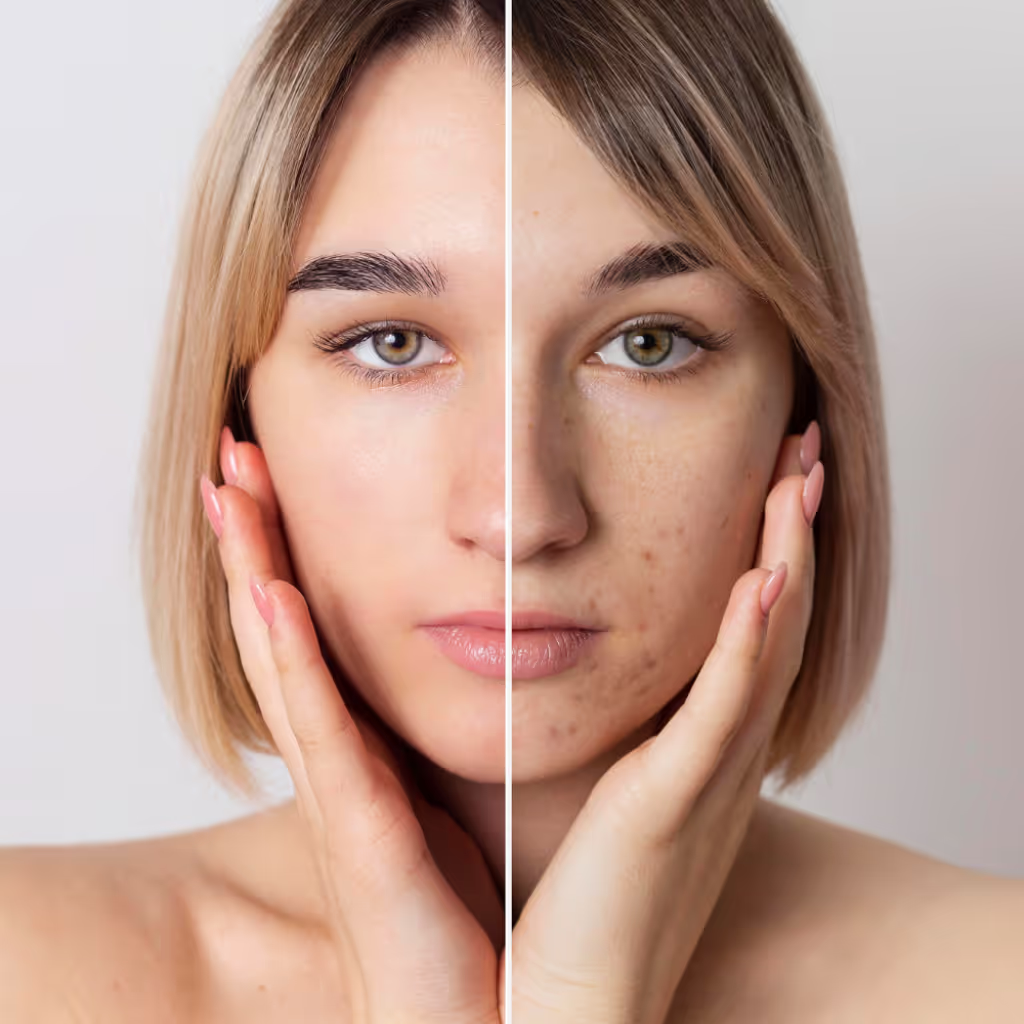
Case reports and before-and-after images show noticeable improvements in scar smoothness and reduction in prominence after consistent GHK-Cu use. Many patients report smoother texture and increased confidence following treatment.
Are There Any Safety Concerns or Side Effects with GHK-Cu Peptide?
Topical GHK-Cu is generally well tolerated. Side effects are uncommon and usually mild (temporary redness or irritation). A patch test is recommended for sensitive skin, and individuals with specific concerns should consult a healthcare professional.
Safety Profile and Side Effects of Copper Peptide Therapy
Research indicates a low risk profile when GHK-Cu is used as directed. Minor irritation is the most commonly reported issue and typically resolves after discontinuation or reduction in frequency. Follow product instructions to minimise risk.
Recommended Usage Guidelines for Optimal Skin Repair
For effective results with GHK-Cu, follow these practical steps:
- Cleanse the Skin: Begin with clean skin to improve absorption.
- Apply Sparingly: Use a small amount of serum or cream on target areas.
- Frequency: Apply twice daily (morning and evening) unless product instructions state otherwise.
- Consistency is Key: Expect gradual improvements over weeks to months with regular use.
These steps help ensure you get the best results from GHK-Cu formulations and support sustained skin repair.
| Category | Details | Guidance |
|---|---|---|
| Application, Cleanse | Start with clean, dry skin | Gentle cleanser; pat dry; improves serum absorption |
| Application, Apply | Small amount of serum or cream on target areas | Focus on stretch marks, scars, or areas of concern; massage gently |
| Application, Frequency | Twice daily (morning and evening) | Consistency is essential; results typically visible at 4 to 12 weeks |
| Common Side Effect | Mild redness or irritation | Usually temporary; reduce frequency if persistent; discontinue if severe |
| Contraindication | Known copper allergy | Do not use; choose alternative peptides (e.g., Matrixyl) |
| Contraindication | Pregnancy / breastfeeding | Consult healthcare provider before use; safety data limited |
| Safe to Pair With | Hyaluronic acid, vitamin C, moisturisers, SPF | Layer GHK-Cu first; follow with hydrators and sun protection |
| Use Caution Pairing With | Retinoids, AHAs, BHAs | Introduce gradually; apply at different times or space by 15+ minutes |
| Professional Combinations | Microneedling, chemical peels, laser therapy | GHK-Cu supports post-procedure healing; coordinate timing with provider |
| Storage | Cool, dry place; away from sunlight and heat | Keep sealed; refrigeration optional but extends potency |
Conclusion
GHK-Cu is a scientifically supported peptide for improving the appearance of stretch marks and scars through collagen stimulation and enhanced elasticity. Clinical evidence and user reports support its use as part of consistent topical routines. For best outcomes, follow recommended application guidance and consult professionals for combined treatments.
Disclaimer: This information is for educational purposes only and does not constitute medical advice. GHK-Cu products discussed may not be FDA-approved for all uses. Always consult a licensed healthcare provider or dermatologist before starting any new skincare treatment. Individual results vary.