GHK-Cu Peptide Benefits for Hyperpigmentation and Sun Damage Treatment
A guide to GHK-Cu peptide benefits for hyperpigmentation and sun damage treatment. Covers how GHK-Cu supports skin regeneration, its key properties (collagen stimulation, melanin regulation, antioxidant effects), what the research shows about pigmentation and photoaging, how GHK-Cu treats hyperpigmentation by normalizing melanin levels, sun damage repair through collagen synthesis and antioxidant defense, recommended application guidelines (twice daily under moisturizer with sunscreen), safety for sensitive skin, and expected results timeline of 4 to 8 weeks.
- GHK-Cu helps treat hyperpigmentation and sun damage by promoting skin regeneration.
- It stimulates collagen and elastin production to improve firmness and elasticity.
- GHK-Cu regulates melanin, helping reduce dark spots and uneven tone.
- Research on GHK-Cu's skin-repair actions suggests it may support a more even tone, though pigmentation-specific trials are limited.
- Its antioxidant action protects skin from oxidative and environmental stress.
- Apply GHK-Cu formulations twice daily, typically under moisturizer with broad-spectrum sunscreen.
- Generally safe for sensitive skin with low irritation risk; visible improvements commonly appear within 4 to 8 weeks.
- GHK-Cu's combination of collagen, melanin, and antioxidant actions makes it more versatile than single-target peptides like Matrixyl.
GHK-Cu is a naturally occurring copper peptide that helps address hyperpigmentation and sun damage. This article outlines how it supports skin regeneration, its key properties, and practical uses. If you have uneven tone or sun-related discoloration, GHK-Cu is a research-backed option to improve skin health. We cover benefits, clinical evidence, and application tips for consistent results.
What is GHK-Cu Peptide and How Does It Support Skin Regeneration?
GHK-Cu is a copper peptide that supports skin repair and regeneration. It stimulates collagen and elastin (proteins that keep skin firm) and enhances the skin's natural healing after environmental stress like UV exposure and pollution.
What are the key properties of the copper peptide GHK-Cu?
GHK-Cu has three main skincare actions:
- Collagen Stimulation: Promotes collagen synthesis to maintain firmness and elasticity.
- Melanin Regulation: Modulates melanin production to reduce dark spots and uneven tone.
- Antioxidant Effects: Protects against oxidative stress and supports skin health.
Combined, these actions make GHK-Cu useful in formulations focused on tone, texture, and resilience.
How does GHK-Cu stimulate collagen production and melanin regulation?
GHK-Cu activates fibroblasts to increase collagen and elastin production, improving structure and resilience. It also modulates melanocyte activity to balance melanin and help reduce hyperpigmentation, addressing both aging and pigmentation concerns.
How May GHK-Cu Support a More Even Skin Tone?
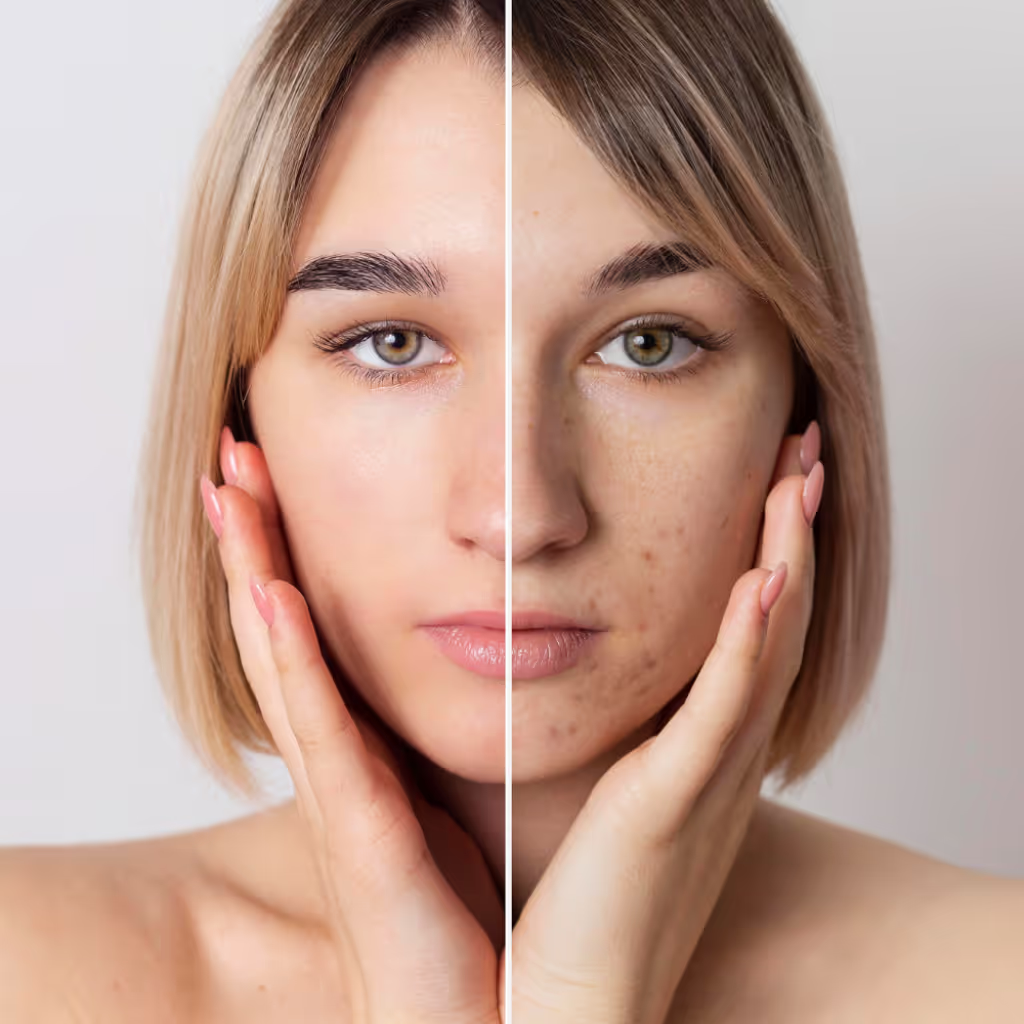
GHK-Cu reduces hyperpigmentation by regulating melanin production and promoting regeneration. It can curb melanin overproduction from sun exposure or hormonal triggers. Clinical reports show reductions in dark spots and improved tone, and many users see clearer, brighter skin with steady use.
What causes hyperpigmentation and how does GHK-Cu address it?
Hyperpigmentation arises from sun exposure, hormonal shifts, or injury. UV exposure can drive excess melanin and dark spots. GHK-Cu helps normalize melanin levels and supports repair, which can fade existing spots and reduce the formation of new ones by enhancing healing processes.
Frequently Asked Questions
What skin types can benefit from GHK-Cu peptide treatments?
GHK-Cu suits normal, oily, dry, and sensitive skin. Its gentle profile may reduce irritation, and people with rosacea or eczema can sometimes benefit from its anti-inflammatory properties. Always patch test before full use.
Can GHK-Cu be used alongside other skincare ingredients?
Yes. It pairs well with hyaluronic acid for hydration, vitamin C for antioxidant support, and retinoids for renewal. Apply lighter serums like GHK-Cu before heavier creams and monitor for irritation.
Are there any contraindications for using GHK-Cu products?
Although generally safe, anyone allergic to copper peptides or undergoing specific dermatological treatments should consult a healthcare professional. Pregnant or breastfeeding individuals should seek medical advice. Read product labels for interacting active ingredients.
How does GHK-Cu compare to other peptides in skincare?
GHK-Cu is notable for boosting collagen and modulating melanin, while other peptides (for example, Matrixyl) mainly target collagen. GHK-Cu's antioxidant action provides added environmental protection, making it more versatile.
Can GHK-Cu help with acne scars and post-inflammatory hyperpigmentation?
Yes. By promoting regeneration and regulating melanin, GHK-Cu can help fade post-inflammatory dark spots and improve texture. Increased collagen and elastin support scar remodeling, aiding post-acne recovery.
What lifestyle changes can enhance the effectiveness of GHK-Cu treatments?
To enhance results, use broad-spectrum sunscreen daily, consume antioxidant-rich foods, stay hydrated, and exfoliate moderately to improve absorption and texture.
Can GHK-Cu Peptide Repair Sun Damage and Improve Skin Health?
GHK-Cu aids repair of sun-induced damage and supports overall skin health. Sun exposure accelerates aging, reduces elasticity, and alters pigmentation. By stimulating collagen and promoting healing, GHK-Cu helps restore structure and reduce visible signs of sun damage.
How does sun damage affect skin and how does GHK-Cu promote repair?
Sun damage leads to oxidative stress, inflammation, collagen breakdown, and pigment changes. GHK-Cu boosts antioxidant defenses and collagen synthesis, helping restore skin structure and reduce visible damage. Including GHK-Cu supports recovery from UV exposure and improves skin quality.
| Category | Detail | Guidance |
|---|---|---|
| Application, Frequency | Twice daily (morning and evening) | Consistency is key for visible results within 4 to 8 weeks |
| Application, Layering | Apply GHK-Cu serum under moisturizer | Lighter products first; heavier creams seal in benefits |
| Sun Protection | Broad-spectrum sunscreen daily | Essential to prevent further UV damage and protect treatment gains |
| Patch Test | Test before full application | Apply small amount to inner forearm; wait 24h to confirm compatibility |
| Starting Concentration | Begin with lower concentration | Increase gradually to assess tolerance; avoid overloading skin |
| Compatible Ingredients | Hyaluronic acid, vitamin C, retinoids | Introduce combinations slowly; monitor for irritation |
| Sensitive Skin | Generally well tolerated; mild redness/tingling possible initially | Low irritation risk; suitable for rosacea and eczema-prone skin with caution |
| Results Timeline | 4 to 8 weeks for visible improvement | Maintain regular routine; results vary with skin type and pigmentation severity |
| Contraindications | Copper peptide allergy; certain dermatological treatments | Consult provider if pregnant, breastfeeding, or on complex regimens |
What are the recommended application guidelines for GHK-Cu in sun damage treatment?
To maximize benefits, follow these guidelines:
- Frequency: Apply GHK-Cu products twice daily.
- Layering: Use GHK-Cu serums under moisturizers to aid absorption.
- Sun Protection: Always apply a broad-spectrum sunscreen daytime to prevent further UV damage.
Consistent application and sunscreen use help achieve the best results.
What Safety Considerations and Results Can Users Expect with GHK-Cu?
GHK-Cu is generally well tolerated, including by sensitive skin. With routine use, improvements in tone, texture, and appearance commonly appear in 4 to 8 weeks. Perform a patch test before full application to confirm compatibility. Most users tolerate GHK-Cu well; some may notice mild redness or tingling initially. Begin with a lower concentration and increase gradually to assess tolerance.
Conclusion
GHK-Cu is a research-backed option for treating hyperpigmentation and sun damage, combining three key actions in a single copper peptide: collagen stimulation, melanin regulation, and antioxidant protection. Published research on GHK-Cu's role in skin repair and photoaging supports its use as part of a consistent routine, though clinical data specific to pigmentation is still limited. Apply twice daily under moisturizer, always pair with broad-spectrum sunscreen, and expect visible improvements in tone and texture within 4 to 8 weeks. Its gentle profile makes it suitable across skin types, and its versatility beyond single-target peptides like Matrixyl positions GHK-Cu as a cornerstone ingredient for pigmentation-focused skincare routines.
Disclaimer: This information is for educational purposes only and does not constitute medical advice. GHK-Cu is a peptide supplement and may not be approved for all uses in all jurisdictions. Always consult a licensed healthcare provider before starting, stopping, or changing any treatment. Individual results vary.