Studies on GHK-Cu Peptide Gene Expression and Regenerative Effects: Key Insights and Applications
A guide to studies on GHK-Cu peptide gene expression and regenerative effects. Covers how GHK-Cu modulates gene expression at the molecular level, which genes are upregulated (collagen, antioxidant, wound healing) and downregulated (pro-inflammatory), regenerative effects on skin and wound repair, collagen synthesis and fibroblast proliferation mechanisms, anti-inflammatory properties and safety profile, latest clinical trial findings on skin rejuvenation and wound healing, and practical implications for dermatology and regenerative medicine.
- GHK-Cu modulates gene expression to support tissue repair, upregulating collagen synthesis and antioxidant defence genes.
- Promotes fibroblast proliferation, a key driver of effective wound healing and skin regeneration.
- Enhances collagen synthesis, improving skin structure, elasticity, and firmness.
- Regulates inflammatory cytokines, downregulating pro-inflammatory genes while allowing healing to proceed.
- Supports wound healing by promoting cell migration, proliferation, and angiogenesis, with evidence of reduced scarring.
- Preliminary observations suggest GHK may partially reverse cognitive impairment in aging mice via anti-inflammatory and epigenetic pathways.
- Clinical studies report safety and therapeutic potential across dermatology, regenerative medicine, and gerontology applications.
- Available as serums, creams, and injectable preparations; generally well tolerated with minimal side effects.
GHK-Cu is a copper-binding tripeptide studied for effects on gene expression and tissue repair. This article summarizes how GHK-Cu influences gene activity, drives regenerative processes, and the practical implications for skin health and wound healing based on recent studies and clinical observations.
What is the GHK-Cu Peptide and Its Role in Gene Expression?
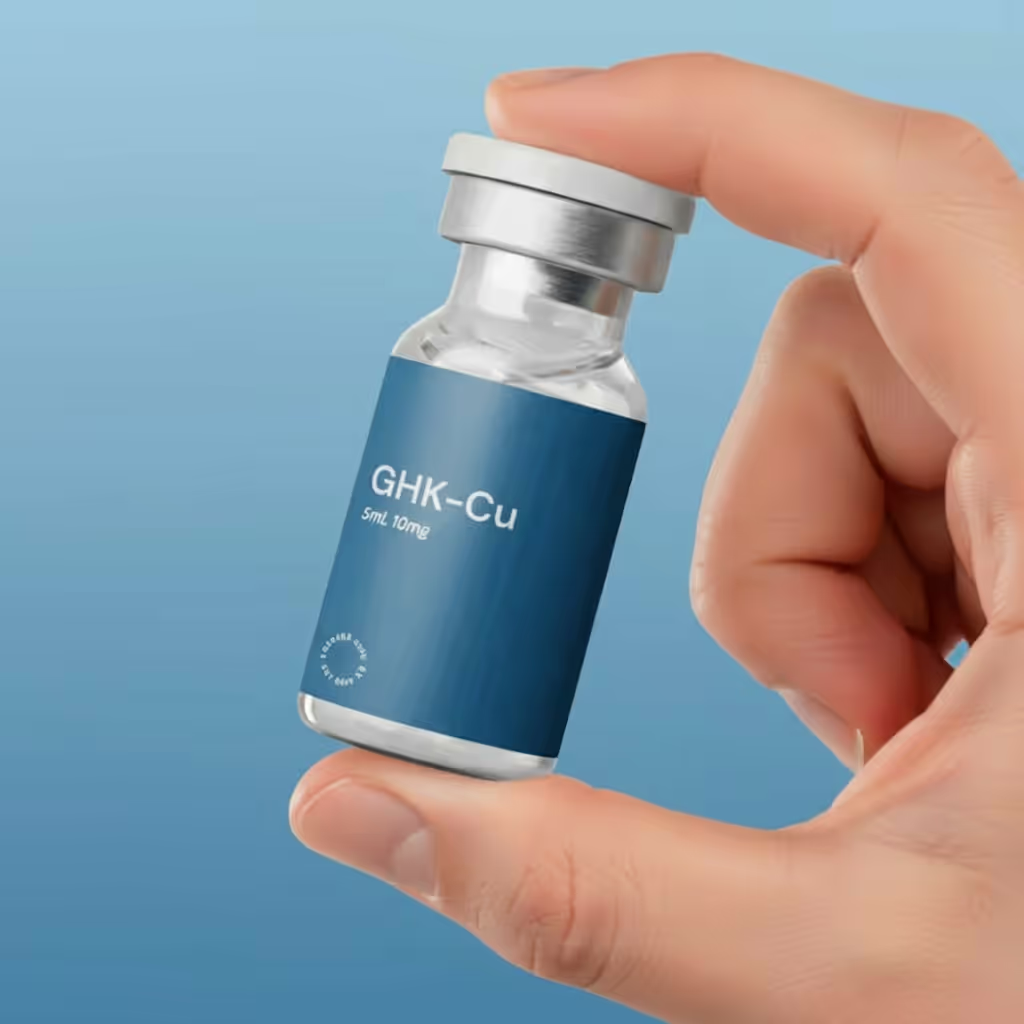
GHK-Cu is composed of glycine, histidine and lysine bound to copper. It influences expression of genes involved in inflammation, collagen production and wound healing by interacting with cell receptors and downstream transcriptional pathways, enhancing natural repair processes used in regenerative therapies.
How Does GHK-Cu Modulate Gene Expression at the Molecular Level?
GHK-Cu acts through multiple molecular routes: binding cell-surface sites and triggering signalling that activates or represses specific genes. Major effects include:
- Cell Proliferation: Promotes fibroblast growth needed for repair.
- Collagen Production: Enhances collagen synthesis to maintain elasticity and structure.
- Inflammatory Response: Modulates cytokines to limit excessive inflammation while allowing healing.
These coordinated actions support regenerative outcomes by adjusting cellular programs and extracellular matrix production.
| Gene Category | Direction | Key Genes / Pathways | Regenerative Role |
|---|---|---|---|
| Collagen Synthesis | Upregulated | Collagen type I, III; fibroblast growth factors | Restores skin structure, elasticity, and firmness |
| Antioxidant Defence | Upregulated | Superoxide dismutase; glutathione-related genes | Protects cells from oxidative damage during repair |
| Wound Healing / Cell Migration | Upregulated | Cell proliferation and migration genes | Accelerates wound closure and tissue regeneration |
| Angiogenesis | Upregulated | Vascular growth factors | Improves blood supply to healing tissue |
| Pro-Inflammatory Cytokines | Downregulated | IL-6, TNF-α and related inflammatory mediators | Limits excessive inflammation; balances healing response |
| Epigenetic Pathways | Modulated | Anti-inflammatory and neuroprotective gene networks | Preliminary evidence of cognitive benefit in aging models |
Which Genes Are Upregulated or Downregulated by GHK-Cu?
GHK-Cu alters genes tied to healing and protection. Notable upregulation occurs in collagen synthesis, antioxidant defence and wound-healing genes tied to cell migration and proliferation, while some pro-inflammatory genes are downregulated to balance the healing response.
GHK-Cu: Gene Data & Skin Regeneration Mechanisms
This paper reviews the protective and regenerative actions of GHK-Cu in human skin and presents new gene data that suggest possible mechanisms behind those actions.
Source: Regenerative and protective actions of the GHK-Cu peptide in the light of the new gene data, L Pickart, 2018
What Are the Regenerative Effects of GHK-Cu Peptide?
GHK-Cu supports skin and wound repair by enhancing cellular activities needed for recovery. Key regenerative effects include:
- Skin Regeneration: Stimulates new skin cell production for tissue repair.
- Collagen Synthesis: Boosts collagen important for integrity and aging-related changes.
- Wound Healing Properties: Promotes cell migration and proliferation to accelerate closure.
GHK-Cu: Skin Regeneration, Wound Healing & Epigenetic Effects, GHK-Cu has been shown to promote skin remodeling, wound healing and regeneration, and displays antioxidant and anti-inflammatory effects in in vitro and in vivo studies. Preliminary observations also suggest GHK may partially reverse cognitive impairment in aging mice by targeting anti-inflammatory and epigenetic pathways.
Source: The potential of GHK as an anti-aging peptide, 2020
Frequently Asked Questions
What are the potential side effects of using GHK-Cu?
GHK-Cu is generally well tolerated; a few users report mild irritation or allergic responses. Patch testing is advised and consult a healthcare professional if you have significant sensitivities or underlying conditions.
Can GHK-Cu be used in combination with other skincare ingredients?
Yes. It pairs well with antioxidants, hyaluronic acid and complementary peptides. Use caution combining with strong actives (retinoids, potent acids) to avoid irritation; seek dermatologic advice for complex regimens.
How long does it take to see results from GHK-Cu treatments?
Timelines vary, but many notice skin texture and elasticity improvements within 4 to 12 weeks of consistent topical use; wound-healing effects can appear sooner depending on context and protocol.
Is GHK-Cu effective for all skin types?
GHK-Cu is suitable for most skin types, including sensitive, dry and oily skin. Individual responses vary; monitor reactions and consult a dermatologist for personalised recommendations.
What forms of GHK-Cu are available for use?
Available forms include serums, creams and injectable preparations. Topicals are common for home use; injectables are reserved for clinical settings. Choose reputable manufacturers and follow professional guidance.
Are there any contraindications for using GHK-Cu?
Contraindications include known allergies to copper or formulation components. Pregnant or breastfeeding individuals and those on specific medical treatments should consult a healthcare provider before use.
How Does GHK-Cu Promote Skin Regeneration and Collagen Synthesis?
By stimulating fibroblast activity, GHK-Cu increases collagen and elastin production to restore elasticity and firmness. Its antioxidant effects protect cells from oxidative damage. Clinical studies report measurable improvements in skin texture with topical formulations.
What Evidence Supports GHK-Cu's Role in Wound Healing and Tissue Repair?
Clinical and comparative studies show faster healing in surgical incisions and chronic ulcers, with increased collagen synthesis and angiogenesis linked to improved recovery and reduced scarring versus standard care.
What Are the Anti-Inflammatory Properties and Safety Profile of GHK-Cu?
GHK-Cu modulates pro-inflammatory cytokines and promotes healing. It inhibits inflammatory pathways and raises anti-inflammatory mediators, reducing tissue damage and speeding recovery. Safety data indicate it is generally well tolerated in therapeutic and cosmetic uses, with few adverse effects reported.
| Effect | Mechanism | Evidence Level | Clinical Application |
|---|---|---|---|
| Skin Regeneration | Stimulates fibroblast activity and new cell production | High (clinical studies) | Topical serums and creams for anti-aging; post-procedure recovery |
| Collagen Synthesis | Enhances collagen and elastin production | High (multiple trials) | Skin firmness, wrinkle reduction, elasticity restoration |
| Wound Healing | Promotes cell migration, proliferation, and angiogenesis | High (comparative studies) | Surgical incisions, chronic ulcers, reduced scarring |
| Anti-Inflammatory | Modulates pro-inflammatory cytokines; raises anti-inflammatory mediators | High (in vitro and in vivo) | Complements regenerative therapies; reduces tissue damage |
| Antioxidant Protection | Reduces oxidative stress and free radical damage | High (clinical studies) | Cellular resilience; supports long-term skin health |
| Epigenetic / Cognitive (Preclinical) | Targets anti-inflammatory and epigenetic pathways in aging models | Preliminary (animal studies) | Potential gerontology applications; further research needed |
How Do Clinical Trial Results Inform GHK-Cu Applications?
Recent trials focus on skin rejuvenation and wound repair, reporting improved healing rates and skin quality. Findings consistently show accelerated healing and reduced scar appearance in controlled settings. Clinical data help refine formulations and protocols, guiding clinicians in dosing, delivery and combining GHK-Cu with other therapies to maximise regenerative benefit.
Conclusion
GHK-Cu's ability to modulate gene expression (upregulating collagen, antioxidant, and wound-healing genes while downregulating pro-inflammatory pathways) underpins its regenerative effects across skin health, wound repair, and anti-aging applications. Clinical evidence consistently shows improved healing rates, enhanced skin texture, and reduced scarring, with a favorable safety profile across therapeutic and cosmetic settings. As research advances into epigenetic mechanisms and broader regenerative applications, GHK-Cu remains a compelling peptide for clinicians and patients seeking evidence-based tissue repair solutions.
Disclaimer: This information is for educational purposes only and does not constitute medical advice. GHK-Cu is a peptide supplement and may not be approved for all uses in all jurisdictions. Always consult a licensed healthcare provider before starting, stopping, or changing any treatment. Individual results vary.