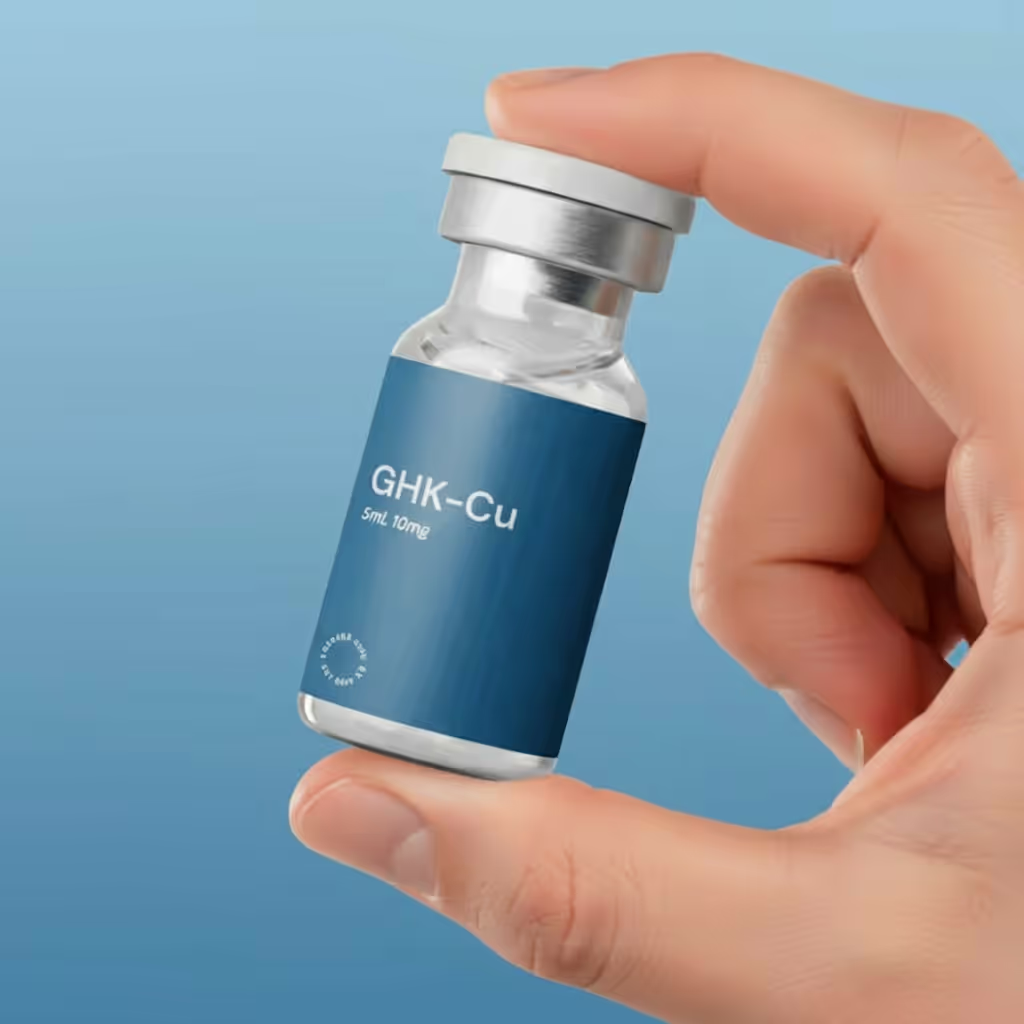
Potential Drug Interactions with GHK-Cu Therapy: Understanding Safety, Side Effects, and Contraindications
A comprehensive guide to potential drug interactions with GHK-Cu therapy. Covers common interaction categories (anticoagulants, immunosuppressants, hormonal therapies), specific medications that interact (warfarin, corticosteroids, antidepressants), known side effects (injection site reactions, GI disturbances, headaches, fatigue), contraindications (active infection, copper allergy, autoimmune disorders, severe liver/kidney disease, pregnancy), safety warnings and monitoring protocols, dosage and administration guidelines (2 to 5 mg/day), and practical strategies to minimize interaction risks.
- GHK-Cu can interact with other drugs and alter effects or side-effect profiles.
- Watch anticoagulants, immunosuppressants, and hormonal therapies closely.
- Warfarin and corticosteroids are examples of drugs requiring monitoring when combined with GHK-Cu.
- Common side effects include injection-site reactions, mild GI upset, headaches, and transient fatigue.
- Avoid use in active infection, severe copper allergy, autoimmune disorders, and severe liver or kidney disease.
- Safety in pregnancy and breastfeeding is not established; consult a provider before use.
- Regular blood tests and clinical checks help manage therapy safely, especially for patients on anticoagulants.
- Clinicians may need to adjust dosing or timing to reduce interaction risk; patients must report medication changes promptly.
GHK-Cu is a copper-binding tripeptide investigated for wound healing and skin rejuvenation. Understanding its safety profile and how it may interact with other medicines is important for patients and clinicians to reduce risk and optimise outcomes.
Stability matters: GHK-Cu can be degraded by enzymes, which may reduce its activity.
GHK-Cu Stability Challenges: Carboxypeptidase Breakdown
GHK-Cu is highly vulnerable to breakdown by carboxypeptidase.
Source: Regenerative and protective actions of the GHK-Cu peptide in the light of the new gene data, L Pickart, 2018
This guide summarises common interactions, medicines known to interact, safety effects, side effects, contraindications, and practical precautions.
What Are the Common Drug Interactions with GHK-Cu Peptide Therapy?
GHK-Cu may change how other drugs act or increase adverse effects. Typical interaction categories are anticoagulants, immunosuppressants, and hormonal therapies; monitoring is essential.
- Anticoagulants: Possible enhanced anticoagulant effect and higher bleeding risk.
- Immunosuppressants: May alter immune responses or compound immune suppression.
- Hormonal therapies: Potential to influence hormone balance and treatment response.
Always list current medications to your clinician before starting GHK-Cu.
Which Medications Commonly Interact with GHK-Cu Peptide?
Reported interactions include anticoagulants such as warfarin, corticosteroids, and some antidepressants; each requires specific monitoring and management.
- Warfarin: May increase anticoagulant effect; monitor INR and bleeding signs.
- Corticosteroids: Combined effects may heighten immune suppression and related risks.
- Antidepressants: Some agents may alter mood stability or response when used together.
| Medication | Interaction Type | Mechanism | Safety Implication | Monitoring Required |
|---|---|---|---|---|
| Warfarin (Anticoagulant) | Enhanced anticoagulation | Potential additive effect on clotting pathways | Increased bleeding risk | Monitor INR regularly; watch for bleeding signs |
| Corticosteroids | Immune suppression | Combined immune-modulating effects | Heightened infection risk; exacerbated side effects | Regular immune function assessment; infection surveillance |
| Antidepressants | Mood stabilization alteration | Potential interaction with neurotransmitter pathways | Reduced efficacy or mood instability | Monitor mood and response; adjust if needed |
| Immunosuppressants | Compounded immune suppression | Additive immune-modulating activity | Increased susceptibility to infections | Regular blood counts; infection screening |
| Hormonal Therapies | Hormone balance disruption | Potential influence on hormonal signalling | Altered treatment response | Hormone level monitoring; clinical assessment |
What Are the Known Side Effects and Safety Concerns of GHK-Cu Therapy?
GHK-Cu is generally well tolerated. Reported issues are usually mild and manageable.
- Injection site reactions: Redness, swelling, or pain.
- Allergic reactions: Rare hypersensitivity events.
- Gastrointestinal disturbances: Occasional mild nausea or discomfort.
- Mild headaches: Short lived for some users.
- Fatigue: Transient tiredness post-treatment for a few patients.
Report persistent or worsening symptoms to your healthcare provider.
What Are the Contraindications and Precautions for GHK-Cu Therapy?
Do not begin GHK-Cu if you have active infection, known severe copper allergy, or if safety in pregnancy/breastfeeding is unestablished.
- Active infections: Delay therapy until resolved.
- Severe allergies: Avoid if allergic to copper or related compounds.
- Pregnancy and breastfeeding: Safety not established; consult your provider.
- Autoimmune disorders: Potential for symptom exacerbation.
- Severe liver or kidney disease: Altered metabolism and clearance.
Review medical history with a clinician to determine suitability.
Frequently Asked Questions
What is GHK-Cu therapy and how does it work?
GHK-Cu is a copper-binding tripeptide that supports cellular repair, stimulates collagen production, and helps regulate inflammation. It is used in dermatology for skin rejuvenation and wound healing, and is being investigated for broader therapeutic applications.
How long does it take to see results from GHK-Cu therapy?
Some patients notice changes in weeks; meaningful wound repair or rejuvenation often requires several weeks to months of regular treatment and follow-up.
Can GHK-Cu therapy be combined with other treatments?
Yes, it can be combined with topical agents or other therapies, but discuss combinations with a provider to avoid interactions and tailor a safe plan. Particular caution is needed with anticoagulants, immunosuppressants, and hormonal therapies.
What should patients do if they experience side effects from GHK-Cu therapy?
Report side effects to your provider promptly. Minor issues may need monitoring or dose changes, while severe reactions (for example, allergic responses) require immediate medical attention.
Is GHK-Cu therapy suitable for everyone?
No. Avoid GHK-Cu with active infection, severe copper allergy, autoimmune conditions, or severe liver or kidney disease. Pregnant and breastfeeding patients should consult their provider as safety is not established.
Are there any long-term effects of GHK-Cu therapy?
Current data indicate GHK-Cu is generally safe long term with few reported issues, but individual monitoring remains important. Regular follow-ups and blood tests help detect any emerging concerns early.
How Should GHK-Cu Therapy Be Administered to Minimize Drug Interaction Risks?
To reduce interaction risk, consider separating dosing times, adjusting dosages when indicated, and ensuring patients report medication changes.
- Timing of administration: Stagger from other treatments where appropriate.
- Dosage adjustments: Tailor concurrent medication doses as needed.
- Patient education: Stress reporting of new drugs or symptoms.
These steps support safe, effective therapy.
What Are the Recommended Dosage and Administration Guidelines?
Typical dosing often falls between 2 to 5 mg per day and is adjusted to clinical goals. Common routes include subcutaneous injection for localized effects, topical application for skin, and occasional intravenous use for systemic therapy.
- Subcutaneous injections: Localised delivery.
- Topical applications: For dermatologic use.
- Intravenous administration: Reserved for selected systemic indications.
Follow your provider's instructions for dose and route.
| Category | Detail | Guidance |
|---|---|---|
| Contraindication, Active Infection | Immune modulation may worsen infection | Delay GHK-Cu therapy until infection resolves |
| Contraindication, Copper Allergy | Severe allergic reaction risk | Do not use; choose alternative therapy |
| Contraindication, Autoimmune Disorders | Potential for symptom exacerbation | Clinical consultation required; weigh risks vs benefits |
| Contraindication, Severe Liver/Kidney Disease | Altered metabolism and clearance | Avoid or use only with specialist supervision |
| Contraindication, Pregnancy/Breastfeeding | Safety not established | Consult provider; avoid unless clearly indicated |
| Dosage, Standard Range | 2 to 5 mg per day | Adjust to clinical goals; follow provider protocol |
| Route, Subcutaneous | Localised delivery for targeted effects | Common route; rotate injection sites |
| Route, Topical | Dermatologic use (skin rejuvenation, wound healing) | Apply per product instructions |
| Monitoring, Follow-Ups | Regular clinical assessments | Scheduled visits to evaluate efficacy and adverse effects |
| Monitoring, Blood Tests | INR for anticoagulant users; immune panels as needed | Baseline + periodic testing per provider protocol |
How Can Patients and Providers Monitor for Potential Interactions?
Monitoring should include scheduled follow-ups, targeted blood tests for high-risk patients, and clear education so patients report new symptoms or medication changes promptly.
- Regular follow-ups: Assess efficacy and adverse effects.
- Blood tests: For those on interacting drugs like anticoagulants.
- Patient education: Encourage timely reporting of changes.
Consistent monitoring maintains safety and effectiveness.
Conclusion
Awareness of drug interactions and safety considerations improves GHK-Cu outcomes. Anticoagulants, immunosuppressants, and hormonal therapies all warrant close attention when combined with GHK-Cu, and contraindications including active infection, copper allergy, autoimmune disorders, and severe liver/kidney disease must be screened before therapy initiation. Regular blood tests, scheduled follow-ups, and clear patient communication are the pillars of safe GHK-Cu use. Clinicians should adjust dosing and timing proactively, and patients must report any new medications or symptoms promptly.
Disclaimer: This information is for educational purposes only and does not constitute medical advice. GHK-Cu is a peptide therapy and may not be approved for all uses in all jurisdictions. Always consult a licensed healthcare provider before starting, stopping, or changing any treatment. Individual results vary.